

Safe, quick clinic treatment
Effective, Low‑Invasive Treatment
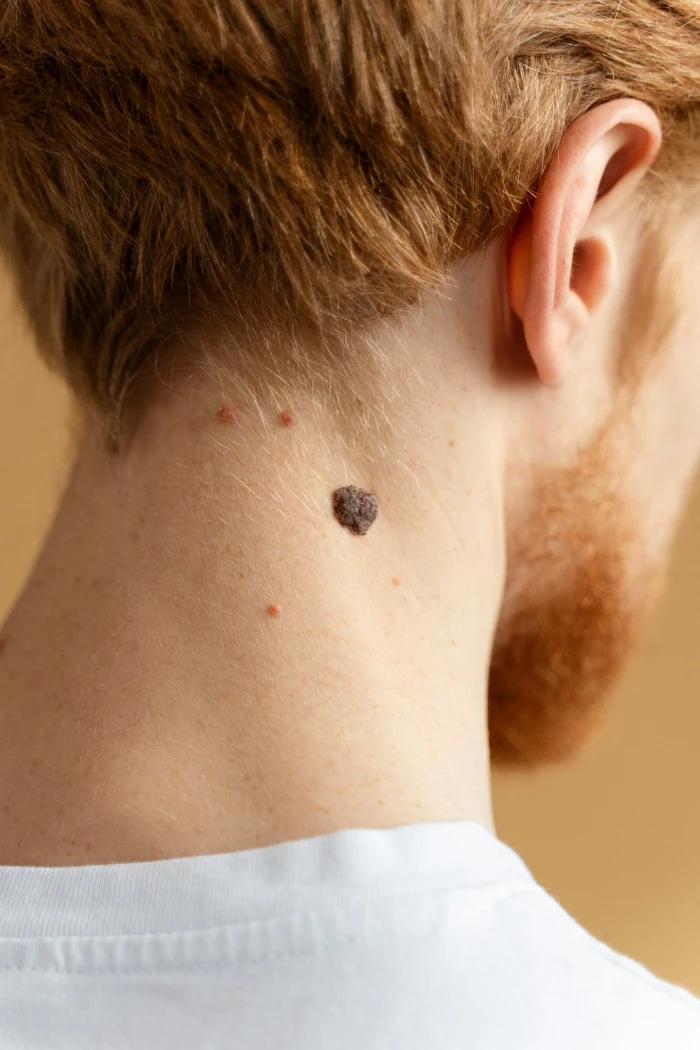
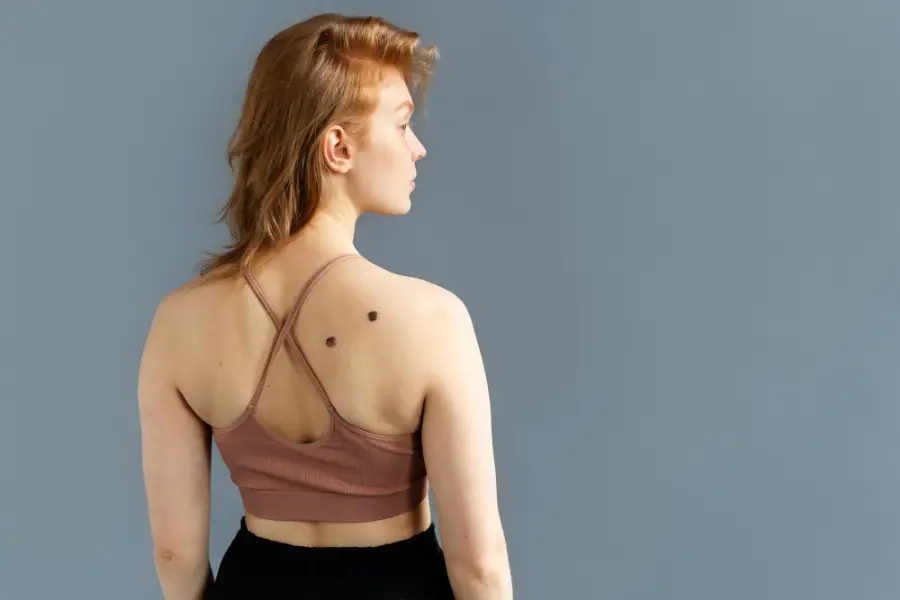
Cryotherapy uses controlled freezing to remove unwanted skin blemishes with precision. The treatment is ideal for:
- skin tags
- pigmented spots
- seborrheic keratosis
- verrucas (plantar warts)
- molluscum contagiosum
- solar lentigo
- actinic keratosis
- haemangiomas
- condyloma
Sessions are typically quick and performed in-clinic by trained practitioners. Most clients experience minimal discomfort and straightforward healing. We assess each lesion first and tailor treatment to your skin type and condition.
What to expect
Procedure and Aftercare
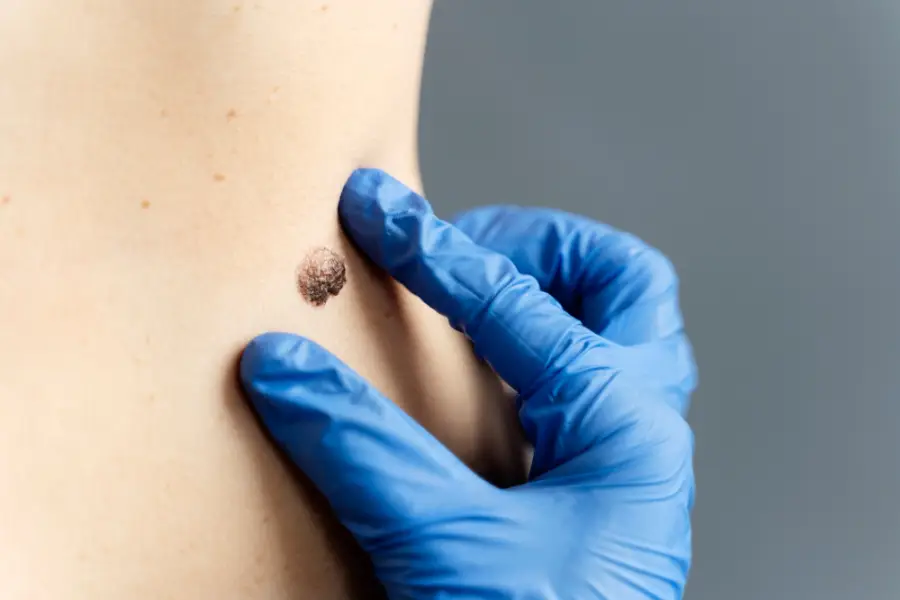
A cryotherapy session begins with a short assessment and cleansing of the area. The practitioner applies a freezing probe or spray to the blemish for a few seconds to a minute depending on size and type. You may feel a cold stinging sensation during treatment; discomfort is usually brief. After the procedure the treated area may redden, blister or scab — this is normal and indicates healing. Most spots heal within a few days to a couple of weeks. Follow-up advice and wound care instructions are provided to ensure the best outcome.
Key Benefits
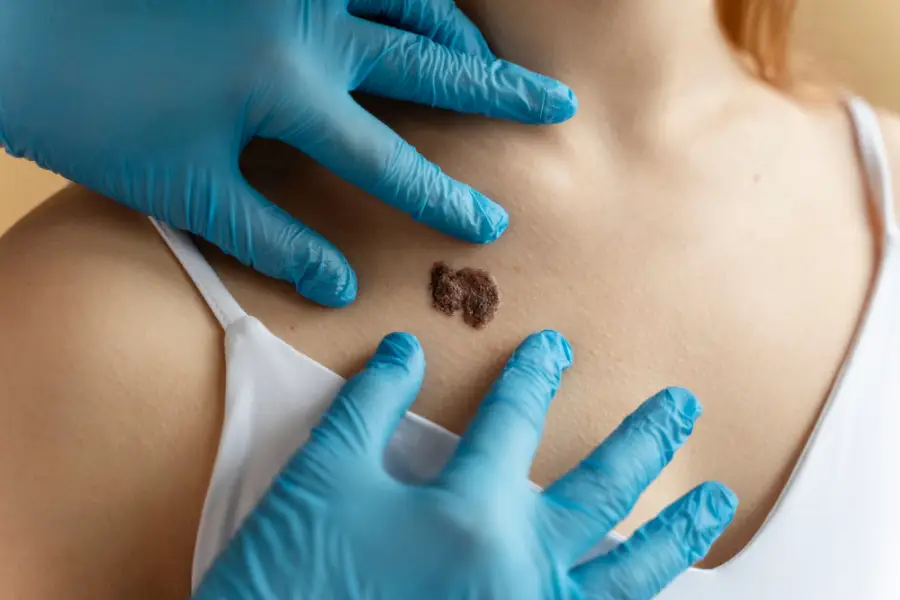
Cryotherapy offers several advantages: treatments are fast and can often be completed within a single visit, it's suitable for a wide range of benign skin lesions, and recovery typically involves only short-lived redness or scabbing. The procedure is minimally invasive with low risk of scarring when performed correctly. It’s a cost-effective option compared with surgical removal for many blemishes, and follow-up care is straightforward. We recommend a brief consultation to confirm suitability and to discuss expected healing times and any precautions specific to your skin type.
Fast treatment sessions
Suitable for many lesions
Minimal downtime
Cost-effective solution
Commonly treated conditions
Conditions We Treat
We treat a broad range of blemishes using cryotherapy, including skin tags, pigmented spots, seborrheic keratosis, plantar warts (verrucas), molluscum contagiosum, solar lentigo, actinic keratosis, haemangiomas and condyloma. Each case is assessed individually to confirm the lesion is suitable for freezing and to choose the correct technique. If lesions require alternative care or biopsy, we will advise on next steps. For peace of mind book an assessment to receive a bespoke treatment plan and clear pricing information. Appointments can be arranged online for your convenience.
Book Online
Quick booking via our website
Transparent Pricing
Clear, competitive treatment costs
Friendly Support
Advice and follow-up care
Simple steps to clearer skin
Ready to Remove Blemishes?
Ready to remove unwanted blemishes? Book a consultation or treatment appointment online at https://ruislippharmacy.co.uk/ and our friendly team will guide you through the process, answer questions and arrange the most suitable time.
Frequently Asked Questions
{}
Is cryotherapy painful?
Most people feel brief cold and stinging during treatment; discomfort is usually short-lived and tolerable without anesthesia for small lesions.
How long does healing take?
Healing typically takes a few days to a couple of weeks depending on lesion size; scabs may form and fall off naturally.
Will there be scarring?
When performed correctly scarring risk is low, though it can vary by skin type and lesion — we provide aftercare to minimise risk.
Which blemishes can you treat?
We treat skin tags, pigmented spots, seborrheic keratosis, verrucas, molluscum, solar lentigo, actinic keratosis, haemangiomas and condyloma among others.
How do I book?
Book quickly online at https://ruislippharmacy.co.uk/ or contact our team for advice and appointment availability.
Before and after your visit
Preparation and Follow-Up
Before treatment we conduct a brief skin assessment to confirm the lesion is benign and suitable for cryotherapy. You should avoid applying creams or heavy make-up to the area beforehand. Most sessions last only minutes, and large or multiple lesions may need staged appointments. Aftercare instructions include keeping the area clean, avoiding picking at scabs, and protecting treated skin from strong sunlight while it heals. If you have any bleeding, unusual pain or signs of infection, contact us promptly for follow-up care.